The Hellenic (Greek) Cyclades islands’ historical art!

A brief historical look into the Aegean sea of Greece’s Cycladic art, which spans thousands of years !!

The Hellenic (Greek) Cyclades Islands are one of the most idyllic island groups in the Aegean Sea of Greece, and they constitute an amazing destination for visitors arriving from around the world.
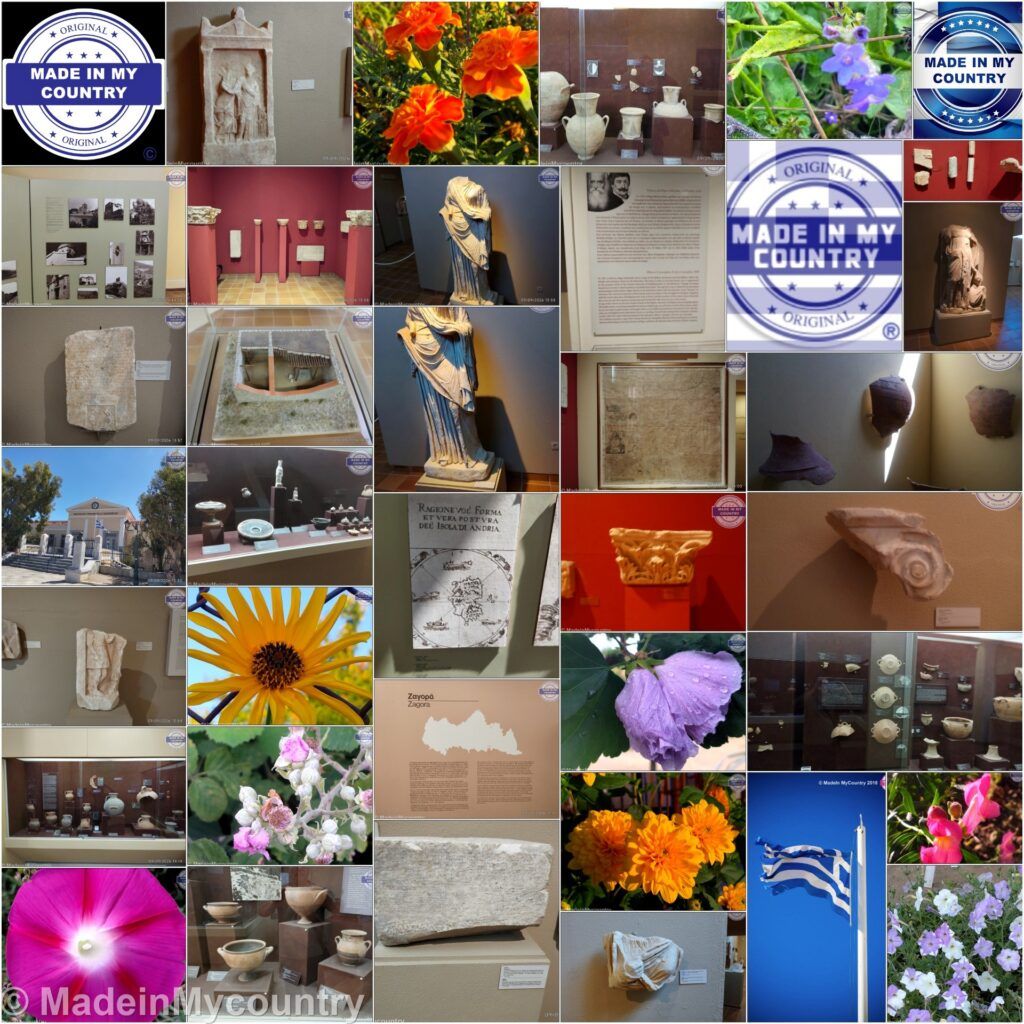
The Aegean sea of Greece (Hellas), Cyprus and the Greek islands!!  MadeinMycountry is a global platform that celebrates and supports local history, culture, art, and nature conservation efforts.MadeinMycountry: The largest independent, ad-free, uncompromising unique network of its kind In the world !!
The Aegean sea of Greece (Hellas), Cyprus and the Greek islands!! MadeinMycountry is a global platform that celebrates and supports local history, culture, art, and nature conservation efforts.MadeinMycountry: The largest independent, ad-free, uncompromising unique network of its kind In the world !!

Their name is derived from the imaginary circle they form around the sacred island of Delos. According to Greek mythology, Poseidon (Ποσειδων) transformed the nymphs called Cyclades (Κυκλαδες) into islands when they caused his wrath. Today, the vibrant natural light, the charming coexistence of white and blue in Cyclades’ architecture, and the untamed landscapes with solitary chapels make visiting the Cyclades a truly unique life experience!

Hellenic (Greek) Cycladic art refers to the ancient visual culture and craftsmanship of the Bronze Age Cycladic civilization, which flourished across the islands of the central and southern Aegean Sea of Greece (Hellas) from roughly 3300 to 1100 BCE.

Cycladic art reflects the prehistoric artistic tradition of the Cyclades islands, best known for its minimalist marble figurines—especially folded‑arm female figures—alongside marble vessels, pottery, metalwork, and seafaring motifs.
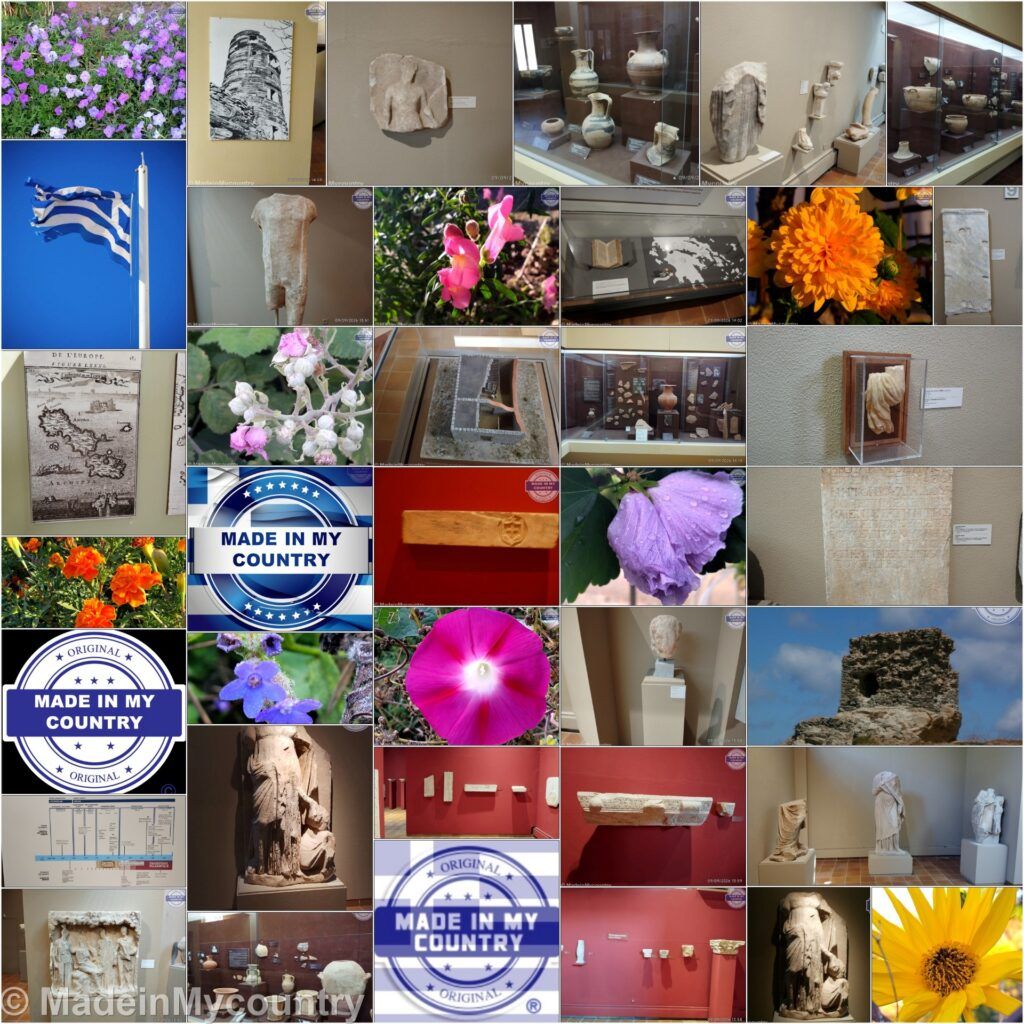
The Aegean sea of Greece (Hellas), Cyprus and the Greek islands!!  MadeinMycountry is a global platform that celebrates and supports local history, culture, art, and nature conservation efforts.MadeinMycountry: The largest independent, ad-free, uncompromising unique network of its kind In the world !!
The Aegean sea of Greece (Hellas), Cyprus and the Greek islands!! MadeinMycountry is a global platform that celebrates and supports local history, culture, art, and nature conservation efforts.MadeinMycountry: The largest independent, ad-free, uncompromising unique network of its kind In the world !!

Key Features of Greek (Hellenic) Cycladic Art:

Marble Figurines (Idols): The most famous creations are minimalist, anthropomorphic marble figures—most notably nude females with folded arms (left arm over right) and a gently tilted head. They range in size from tiny pocket pieces to near life-size statues.

Original Paint: Though they look stark white today, they were originally decorated with bright mineral pigments like azurite blue and cinnabar red to mark eyes, hair, and facial features.

Marble Vessels and Tools: Artisans crafted elegant marble bowls, cylindrical vases, and flat, decorated circular objects known as “frying pans” (likely used as mirrors or for ritual purposes).

Functional Pottery: Island makers also shaped hand-made black, reddish, and buff-colored ceramic pyxides (small boxes) and collared jars.
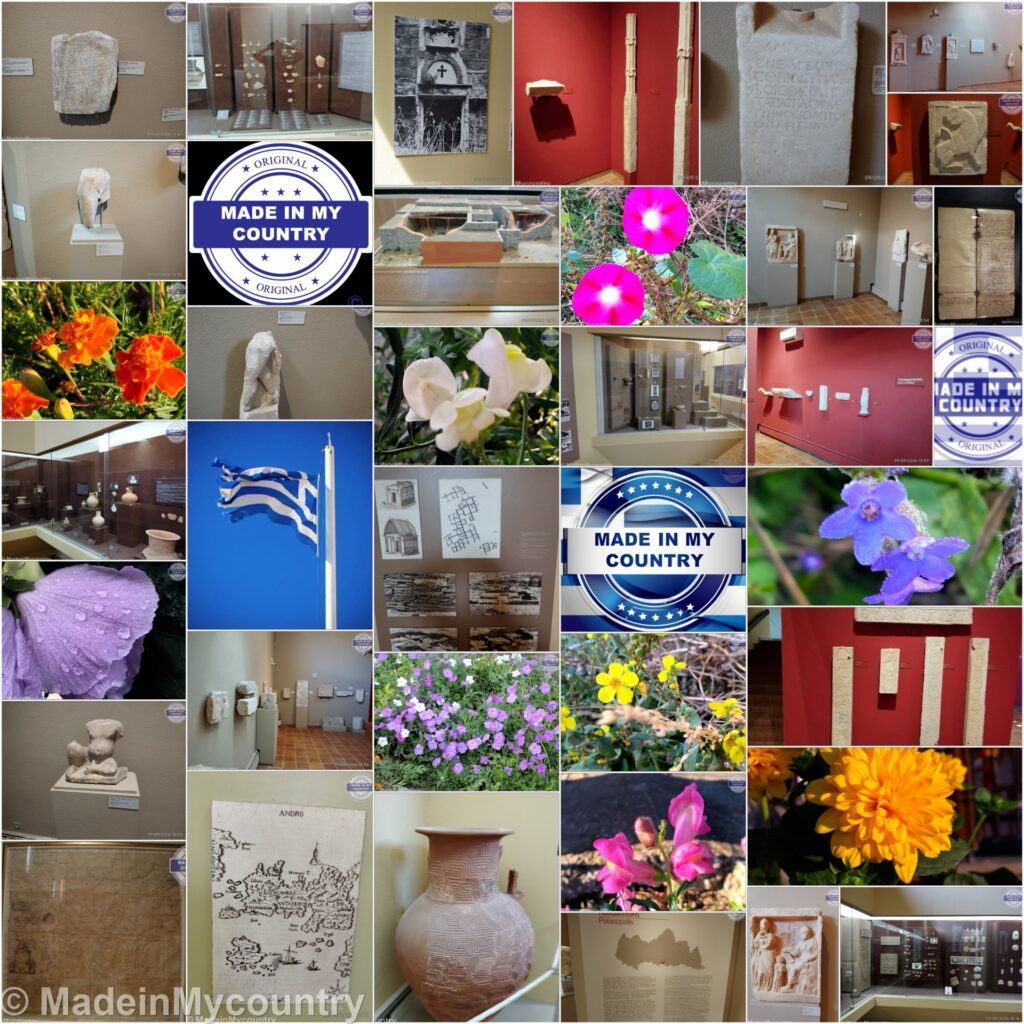
The Aegean sea of Greece (Hellas), Cyprus and the Greek islands!!  MadeinMycountry is a global platform that celebrates and supports local history, culture, art, and nature conservation efforts.MadeinMycountry: The largest independent, ad-free, uncompromising unique network of its kind In the world !!
The Aegean sea of Greece (Hellas), Cyprus and the Greek islands!! MadeinMycountry is a global platform that celebrates and supports local history, culture, art, and nature conservation efforts.MadeinMycountry: The largest independent, ad-free, uncompromising unique network of its kind In the world !!

Historical Eras and Evolution:

Early Cycladic I (c. 3200–2700 BCE): Characterized by simple, abstract violin-shaped figurines and early naturalistic forms (such as the Plastiras type).

Early Cycladic II (c. 2700–2300 BCE): The “golden age” of Cycladic sculpture, defined by the classic canonical figures with folded arms (such as the Spedos and Dokathismata types) as well as rare male musicians playing the harp or pipes.

Early Cycladic III (c. 2300–2000 BCE): A transition period marked by changing styles and the gradual decline of marble carving traditions.

Meaning and Purpose:

Funerary Context: The majority of complete figurines have been excavated from graves, suggesting they played an important role in burial and afterlife rituals.

Symbolic Interpretations: Scholars debate their exact meaning, linking them to fertility symbols, mother-goddesses, or guides for the soul, though their exact religious or social function remains an archaeological mystery.

The Aegean sea of Greece (Hellas), Cyprus and the Greek islands!!  MadeinMycountry is a global platform that celebrates and supports local history, culture, art, and nature conservation efforts.MadeinMycountry: The largest independent, ad-free, uncompromising unique network of its kind In the world !!
The Aegean sea of Greece (Hellas), Cyprus and the Greek islands!! MadeinMycountry is a global platform that celebrates and supports local history, culture, art, and nature conservation efforts.MadeinMycountry: The largest independent, ad-free, uncompromising unique network of its kind In the world !!

Influence on Modern Art:

In the 20th century, modern sculptors and painters—including Pablo Picasso, Constantin Brâncuși, and Amedeo Modigliani—drew deep inspiration from Cycladic art.

Its clean lines, geometric simplification of the human body, and focus on essential form helped shift Western art away from academic realism toward early abstraction.

Where to See It:

Major collections are housed at:

The Museum of Cycladic Art in Athens

(https://cycladic.gr/en/)

The National Archaeological Museum.

(https://www.namuseum.gr/en/)

You can also visit local Cycladic island museums such as:

The Archaeological Museum of Andros.

(https://cyclades.culture.gov.gr/en/location/the-archaeological-museum-of-chora-andros/)

(https://archaeologicalmuseums.gr/en/museum/5df34af3deca5e2d79e8c197/archaeological-museum-of-chora-andros)

The Aegean sea of Greece (Hellas), Cyprus and the Greek islands!!  MadeinMycountry is a global platform that celebrates and supports local history, culture, art, and nature conservation efforts.MadeinMycountry: The largest independent, ad-free, uncompromising unique network of its kind In the world !!
The Aegean sea of Greece (Hellas), Cyprus and the Greek islands!! MadeinMycountry is a global platform that celebrates and supports local history, culture, art, and nature conservation efforts.MadeinMycountry: The largest independent, ad-free, uncompromising unique network of its kind In the world !!

The Aegean sea of Greece (Hellas), Cyprus and the Greek islands!! MadeinMycountry is a global platform that celebrates and supports local history, culture, art, and nature conservation efforts.For two decades, we have been sponsoring local museums, cultural organizations, travel destinations, historical sites, and various cultural events around the world.

MadeinMycountry: The largest independent, ad-free, uncompromising unique network of its kind In the world !!

#MadeinmycountryGR,#Cyclades,#CycladesIslands,#GreekCyclades,#MadeinMycountry,#MadeinGreece,#Greece,#Hellas,#Aegean,#Cyprus,#GreekIslands,#MacedoniaGR,#ItisMadeinMycountry,#MadeinMycountryEU,#MadeinMycountryCY,#Culture,#GreekCulture,#GreekHistory,#GreekHeritage,#GreekNature,#BestofGreece,#FeelthebestofGR,#Andros,#Mykonos,#Santorini,#Nature,#TourAegean,#TurAegean,#GreekAegean,#AegeanSea,#GreekIslands,#GreekIslandParadise,#MadeinGreeceCyprus,#GreeceCyprusAegeanIslands,#TheAegeanSeaofGreece
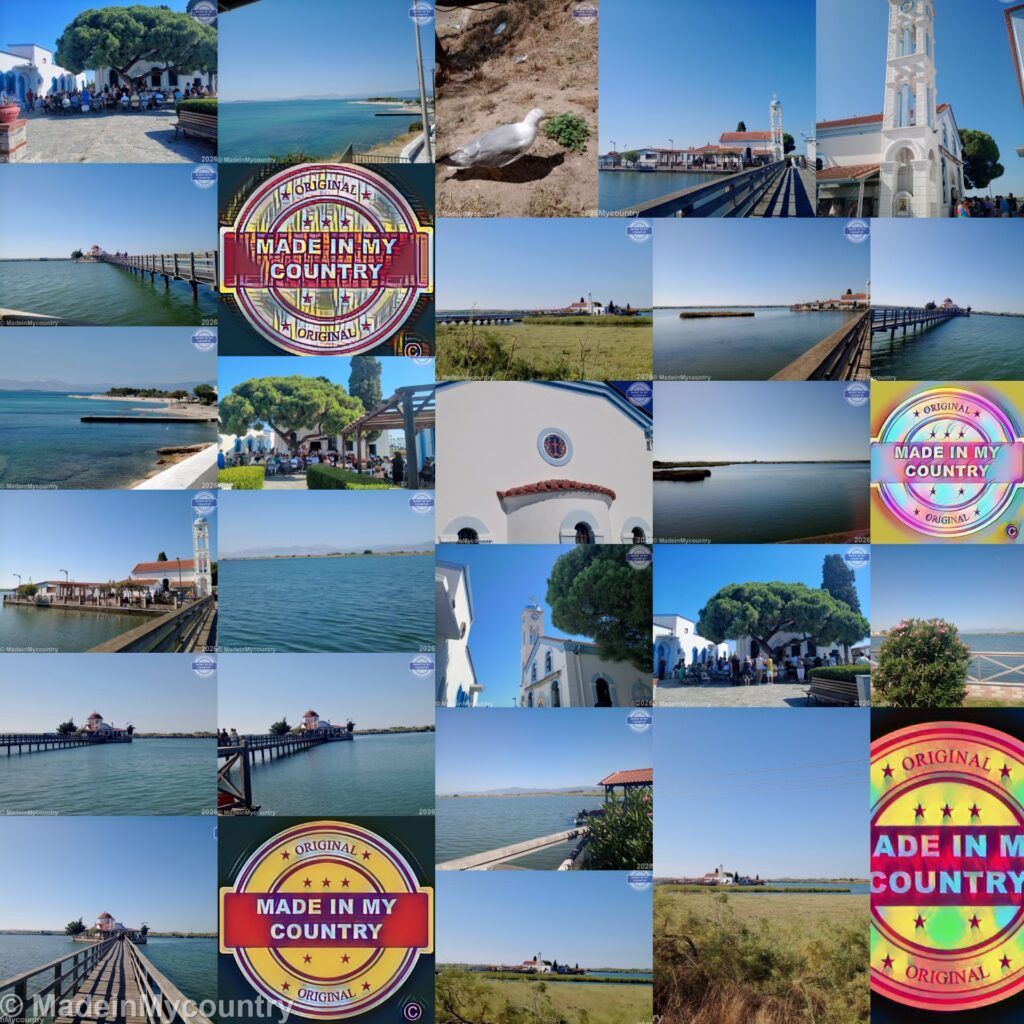
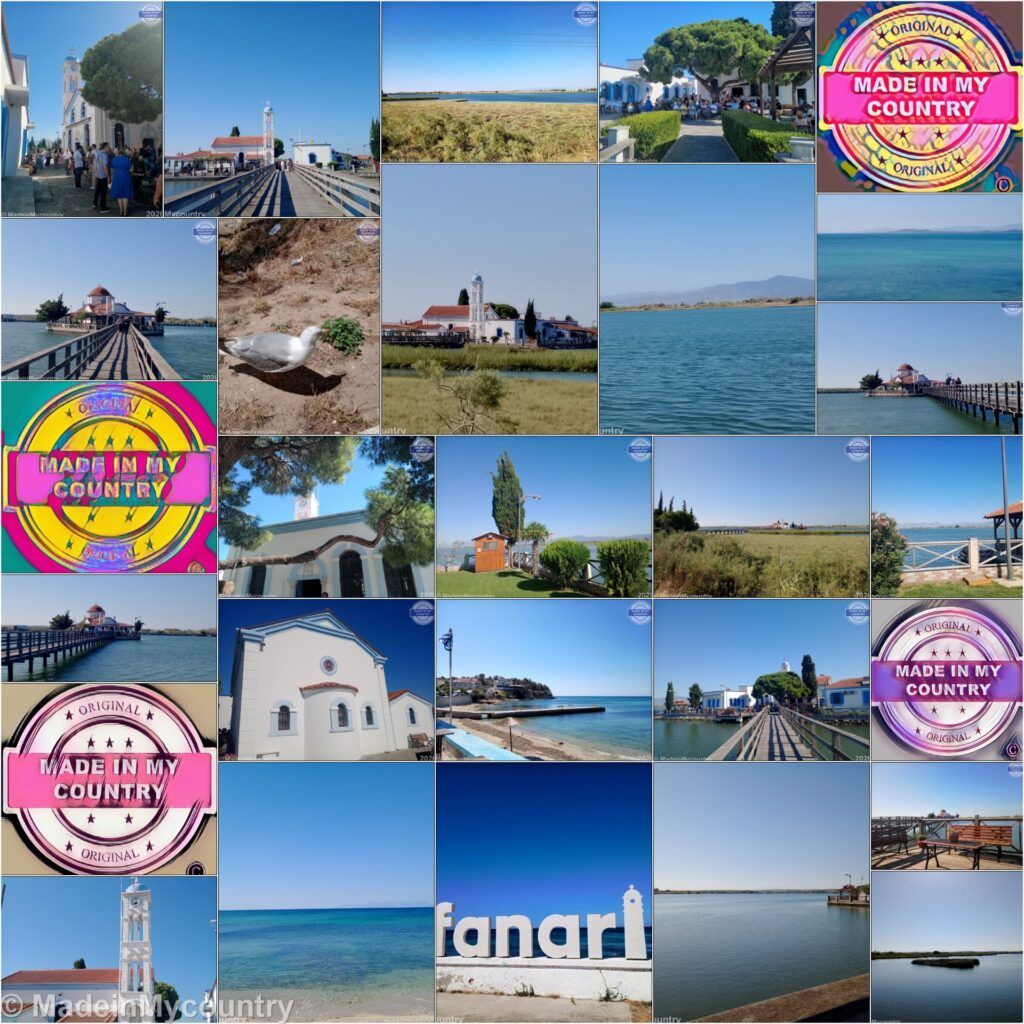
Fanari in Thrace, Hellas (GR)

Thrace’s Summer Seaside Retreats

When temperatures rise, the heart of Komotini beats along the shores of the Thracian Sea. Just 30 km from the city unfolds a coastline of remarkable beauty, with golden sands and crystal-clear waters. Fanari, the “jewel” of the region, is a picturesque seaside village that blends cosmopolitan charm with tradition. Its beaches, with shallow and safe waters, are a favourite among families, while its small harbour lined with fish tavernas offers an authentic taste of the Aegean.

Fanari in Rodopi, Thraki Hellas by MadeinMycountry: The largest independent, ad-free, uncompromising unique network of its kind In he world !!

Fanari is a very popular coastal fishing village and summer resort located in the Rhodope,Thrace region of northeastern Greece.

Situated on the southeastern edge of the Vistonia Bay, about 30–35 kilometers southwest of Komotini and roughly the same distance from Xanthi in northeastern Greece (Hellas)

The “Summer Diamond of Thrace”: It is famous for its long, golden sandy beaches and crystal-clear Blue Flag waters, making it a top tourist destination in the Thracian Sea during the summer months.

It has a small permanent population of a few hundred residents, but it swells significantly with Greek and Balkan visitors in the summer.

Fanari in Rodopi, Thraki Hellas by MadeinMycountry: The largest independent, ad-free, uncompromising unique network of its kind In he world !!

The village features a small port, a major camping site, hotels, traditional fish taverns, beach bars, and organized beach facilities.

It hosts the annual Fanari Festival (a popular three-day summer music event) and sits near the rich ecosystems of the Eastern Macedonia and Thrace National Park

Complete your experience by exploring the “hidden” corners of the Rhodope region. As you drive towards the coast, views of lagoons that occasionally host flamingos and pelicans prepare you for an encounter with unspoilt nature.

#Fanari,#Rodopi,#Thrace,#Rodhope,#Thraki,#Mediterranean,#Aegean,#AegeanSea,#AegeanSeaofGreece,#EU,#Europe,#GreekIslands,#Aegean,#GreekAegean,#MadeinmycountryGR,#MadeinMycountry,#MadeinGreece,#Greece,#Hellas,#Aegean,#Cyprus,#GreekIslands,#MakedoniaGR,#Macedonia,#Makedonia,#MacedoniaThrace,#MacedoniaGR,#ItisMadeinMycountry,#MadeinMycountryCY,#Culture,#GreekCulture,#GreekHeritage,#GreekNature,#BestofGreece,#FeelthebestofGR,#Nature,#TourAegean,#TurAegean,#GreekAegean,#AegeanSea,#GreekIslands,#GreekIslandParadise

Mediterranean cuisine

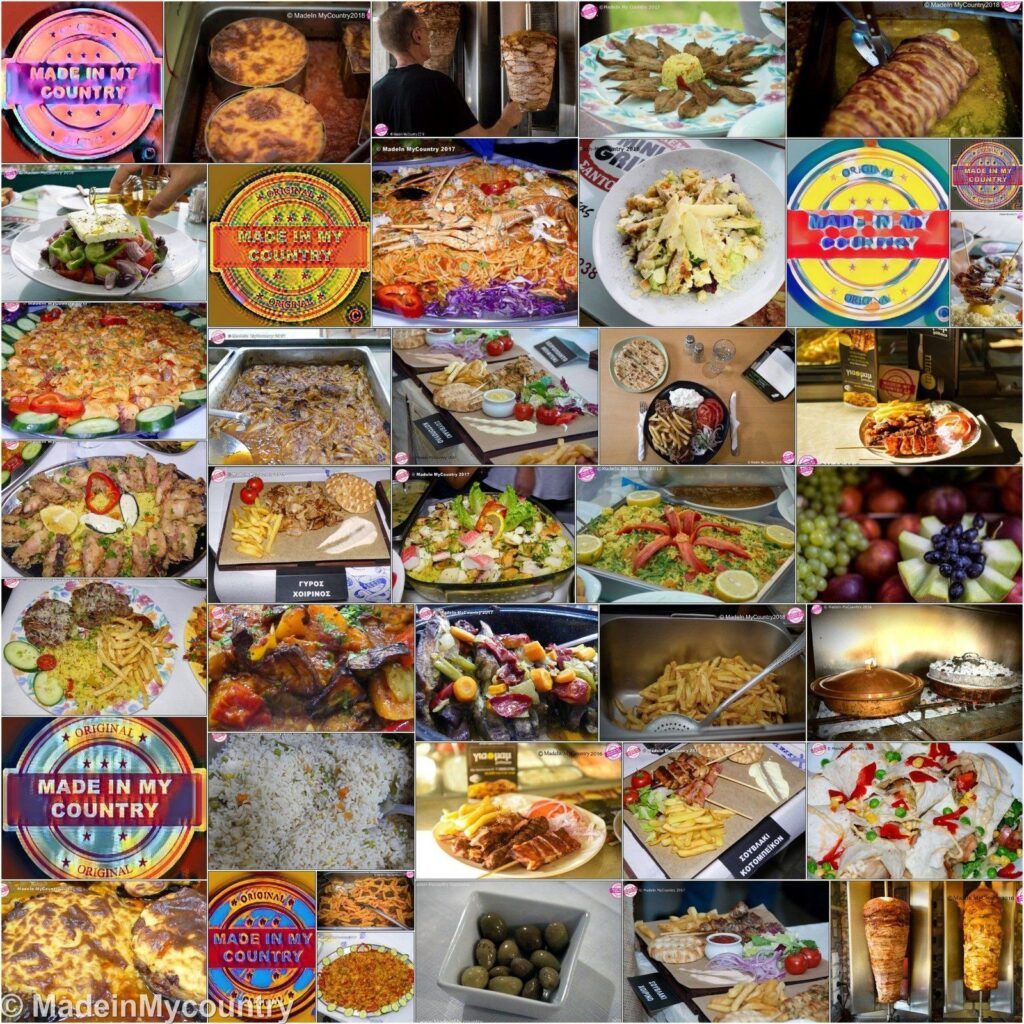
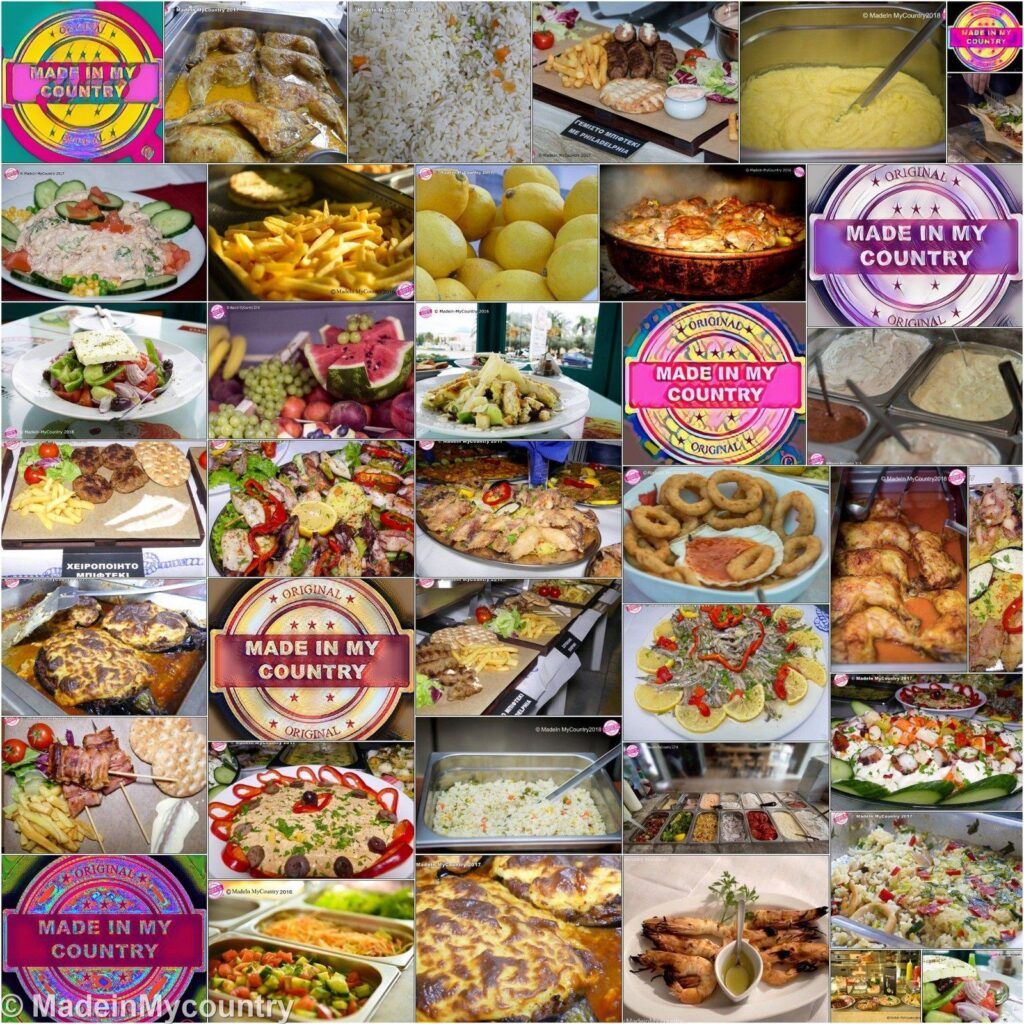
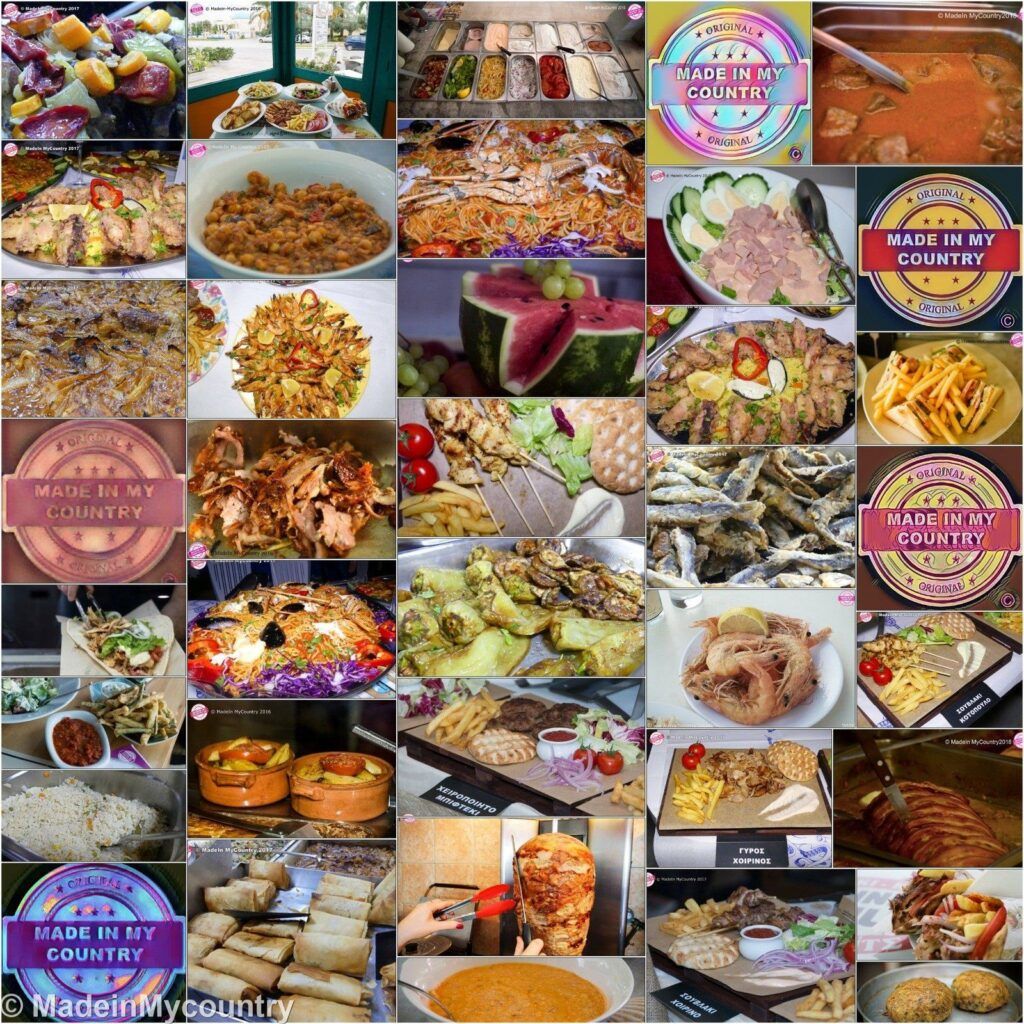
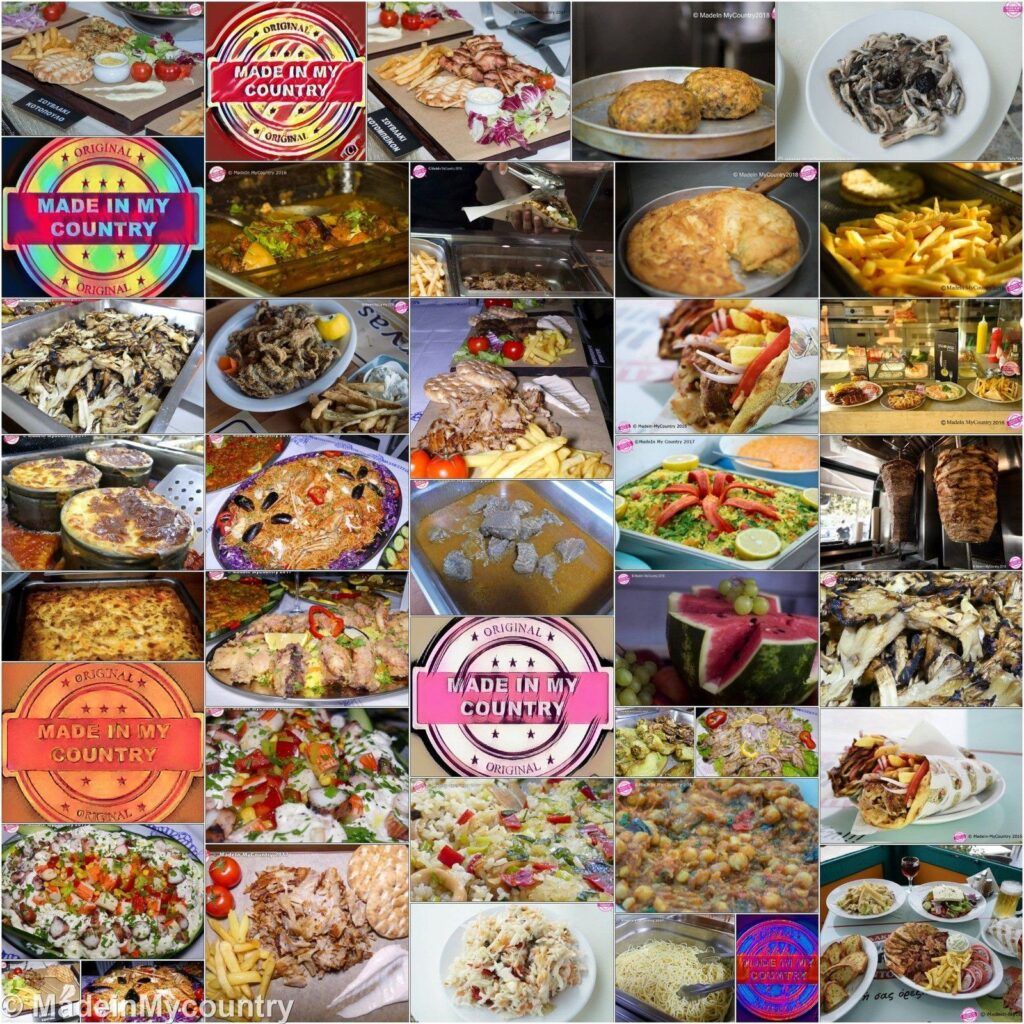
Mediterranean cuisine is the collection of traditional foods and cooking methods from countries bordering the Mediterranean Sea, including Greece, Cyprus, Italy, Spain, Lebanon and Morocco.

It emphasizes extra virgin olive oil, fresh seasonal vegetables, whole grains, legumes, fish, and aromatic herbs.

Mediterranean cuisine by MadeinMycountry: The largest independent, ad-free, uncompromising unique network of its kind In he world !!

Med cuisine characteristic ingredients:

Healthy fats: Extra virgin olive oil is the primary cooking fat and dressing.

Fresh produce: Abundant tomatoes, eggplants, zucchini, peppers, leafy greens, and citrus fruits.

Grains & Legumes: Wheat (as bread or pasta), rice, barley, chickpeas, and lentils.

Proteins: Frequent fish and seafood, moderate poultry and dairy (like feta and Greek yogurt), and low amounts of red meat.

Herbs & Spices: Oregano, basil, thyme, rosemary, garlic, and cumin.

Mediterranean cuisine by MadeinMycountry: The largest independent, ad-free, uncompromising unique network of its kind In he world !!

Regional Variations

Southern European (Greece, Italy, Spain): Focuses on olive oil, pasta, fresh fish, tomatoes, and regional wines.

Levantine & Middle Eastern (Lebanon): Features flatbreads, rice, lamb, yogurt, and dips like hummus.

North African (Morocco): Highlights warm spices like cumin, saffron, and cinnamon used in slow-cooked tagines and couscous.

Med cuisine promotes long-term wellness through antioxidant-rich, minimally processed foods

Here is a small sample of the most popular and well recognized Mediterranean cuisine which is the Greek Mediterranean cuisine

Popular local foods include: moussaka, souvlaki, fresh seafood, and horiatiki (Greek salad) and Greek Yogurt.

Mediterranean cuisine by MadeinMycountry: The largest independent, ad-free, uncompromising unique network of its kind In he world !!

Greek Yogurt: Timeless & very nutritional

Made of fresh milk curdled and then fermented by means of bacteria, yogurt has always been one of the finest products of the Greek farming tradition since the ancient times. Thick, creamy and super tasty, the Greek yogurt is made of pure sheep’s milk in small dairy units. In larger ones, they usually make yogurt with fresh cow’s milk, be it skimmed or semi-skimmed. They also add ingredients favoring health and growth for kids, or make it with strained cow’s milk (with the fat included ranging from 0%-10%) and milk cream, or even pair it with fruits and cereals as a desert to boost its nutritional capacity.

Over the past few years the Greek strained yogurt has conquered the world, marking a startling increase in sales worldwide.

Olive Oil

Greece is the world’s third largest producer of olive oil and ranks first in exports of virgin olive oil, which is the top-ranked olive oil classification category in the world. Although olive trees grow all over Greece the largest producers of olive oil are the region of Peloponnese as well as Lesvos and Crete Islands. The benefits of olive oil were known since antiquity. Homer referred to olive oil as liquid gold and Hippocrates noted its healing factors. Studies have shown that olive oil is the healthiest product among vegetable oils. It is loaded with antioxidants and protects from various diseases; making it essential for a balanced diet!

Mediterranean cuisine by MadeinMycountry: The largest independent, ad-free, uncompromising unique network of its kind In he world !!


Honey

Certainly honey was the first – and for quite a while – the only sweetener Greeks had in their diet. While its importance dates back to ancient time, even nowadays, it remains the most prestigious sweetener. Honey’s nutritious values, such as minerals, vitamins, natural sugars, antioxidants etc., benefit our health and taste buds every single time we taste it!

Teas and Infusions with Herbs

A large variety of herbs grow in Greece. They are considered by locals as a natural remedy and have been used, since antiquity, mainly as pain-killers. Among the most renowned are the Greek Mountain Tea (sideritis clandestina) for its digestive, warming, tonifying and antioxidant effects as well as the Dittany (dictamon in Greek) for its spasmolytic, tonifying and anti-diabetic impact.

Mediterranean cuisine by MadeinMycountry: The largest independent, ad-free, uncompromising unique network of its kind In he world !!

#Mediterranean,#MediterraneanCuisine,#GreekCuisine,#MedCuisine,#EU,#Europe,#GreekIslands,#Aegean,#GreekAegean,#MadeinmycountryGR,#MadeinMycountry,#MadeinGreece,#Greece,#Hellas,#Aegean,#Cyprus,#GreekIslands,#MacedoniaGR,#ItisMadeinMycountry,#MadeinMycountryCY,#Culture,#GreekCulture,#GreekHeritage,#GreekNature,#BestofGreece,#FeelthebestofGR,#Limassol,#Creta,#Mykonos,#Santorini,#Nature,#TourAegean,#TurAegean,#GreekAegean,#AegeanSea,#GreekIslands,#GreekIslandParadise

You cannot copy content of this page